What is Real User Monitoring?
RUM lets you analyze the actual experience of users on your site in real time. RUM data captures 100% of real traffic to a site - meaning every time any user loads a page or clicks a link, a performance data point is recorded.
This is what makes it fundamentally different from Synthetic Monitoring, which only tests a predefined set of pages or user journeys on a fixed schedule. With RUM, you don't choose what to measure in advance - the data naturally covers every page that users actually visit, weighted by how often they visit it.
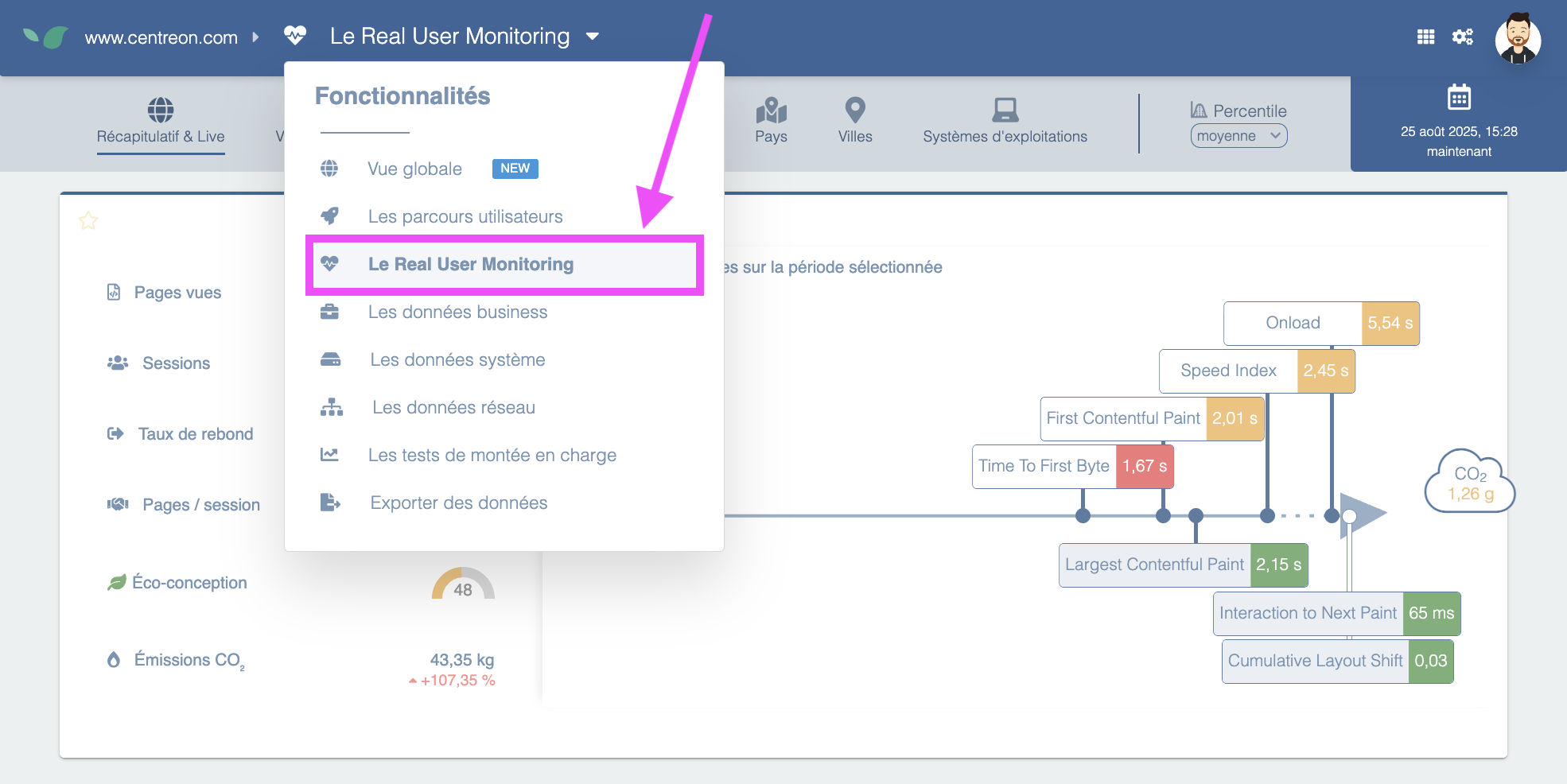
How does it work?
RUM works via a lightweight, asynchronous tag added to the page, which sends data back to Centreon Experience Monitoring.
- It doesn't slow the user's browsing on the site.
- The data collected is purely technical (no personal identifiers), making it GDPR-compliant, and allows segmentation by browser type without tracking individual users.
What are the main benefits?
-
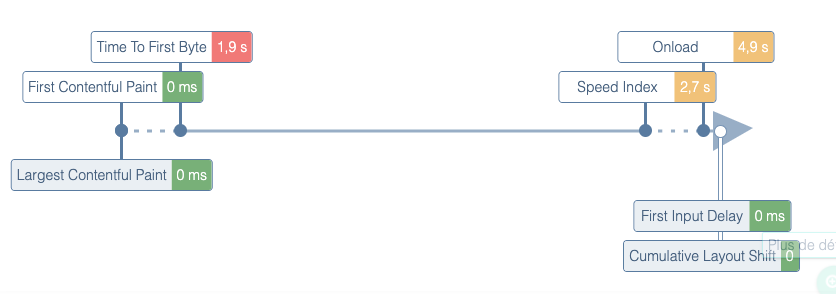
Objective performance measurement: since it's measured from real users' browsers, issues specific to certain browsers or devices (e.g., poor performance on Safari) are immediately visible and quantifiable by traffic impact.
-
Exhaustive page coverage: unlike Synthetic Monitoring which only tests predefined pages or journeys, RUM automatically captures performance metrics (TTFB, Speed Index, full page load time, etc.) on every single page visit, building a real-time, comprehensive view of performance across the entire site.
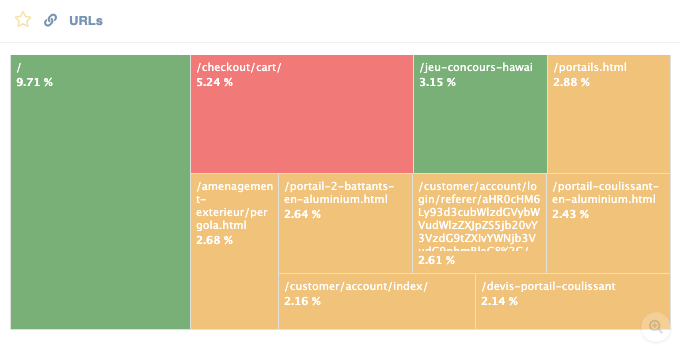
In short, RUM doesn't require you to anticipate what to monitor - it automatically builds a performance picture of your entire site, driven by what your users actually do.